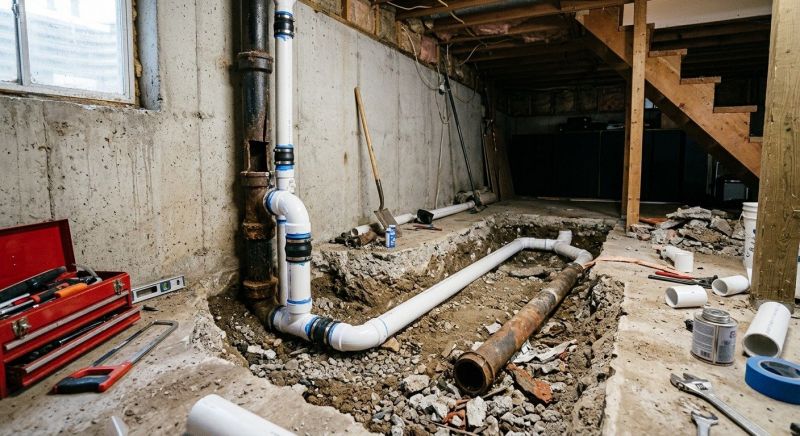
Piping Replacement in Denver, CO
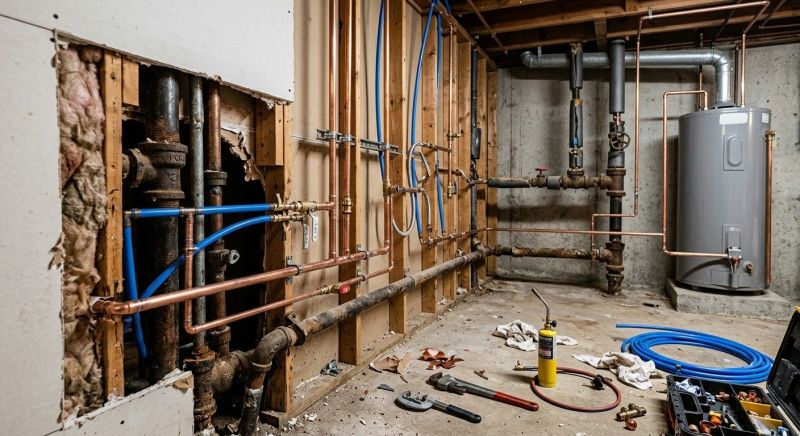
Piping replacement services involve removing and installing new pipes to ensure the plumbing system functions safely and efficiently. These projects typically address aging or damaged pipes, leaks, or outdated materials that no longer meet current standards. Property owners often request this service when experiencing frequent leaks, low water pressure, or signs of corrosion, as well as during major renovations or when upgrading plumbing systems to accommodate new fixtures or appliances.
Homeowners should understand which types of pipes are being replaced, the scope of the work involved, and any potential disruptions to daily routines. It’s also helpful to consider the condition of existing piping and whether the replacement will improve water flow, prevent future leaks, or meet specific building codes. Clarifying these details beforehand can assist property owners in making informed decisions about their plumbing upgrades.
Many property owners in Denver, CO look into Piping Replacement for repairs, replacements, upgrades, and appearance-related improvements.
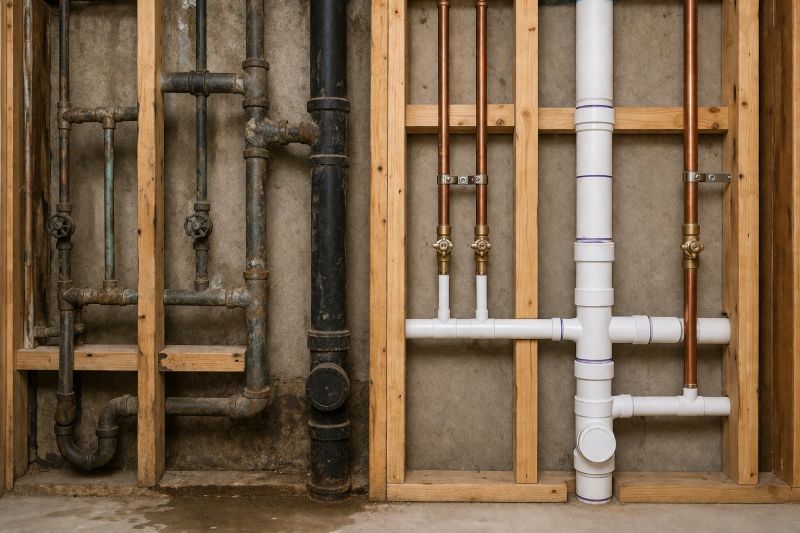
Signs You Need Piping Replacement
Older pipes or frequent leaks often indicate the need for replacement to prevent water damage.
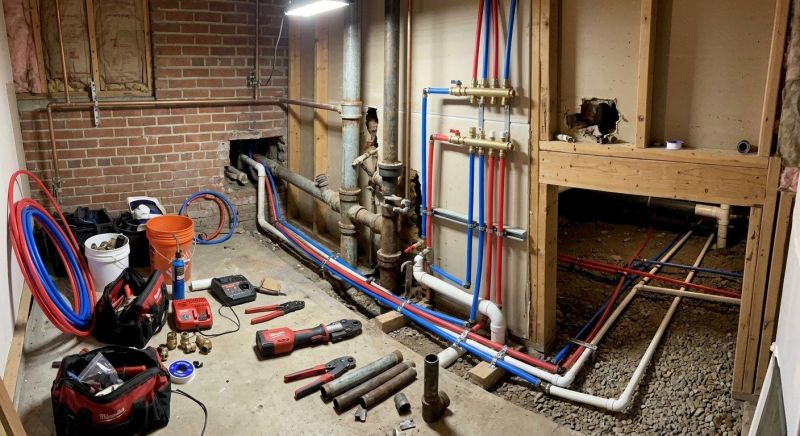
Types Of Piping Systems
Various piping options are available for residential and commercial properties in denver, co, tailored to specific plumbing needs.
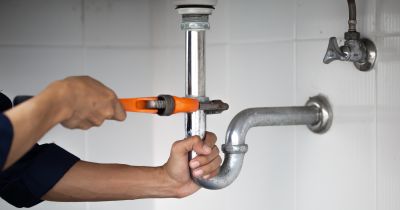
Benefits Of Piping Replacement
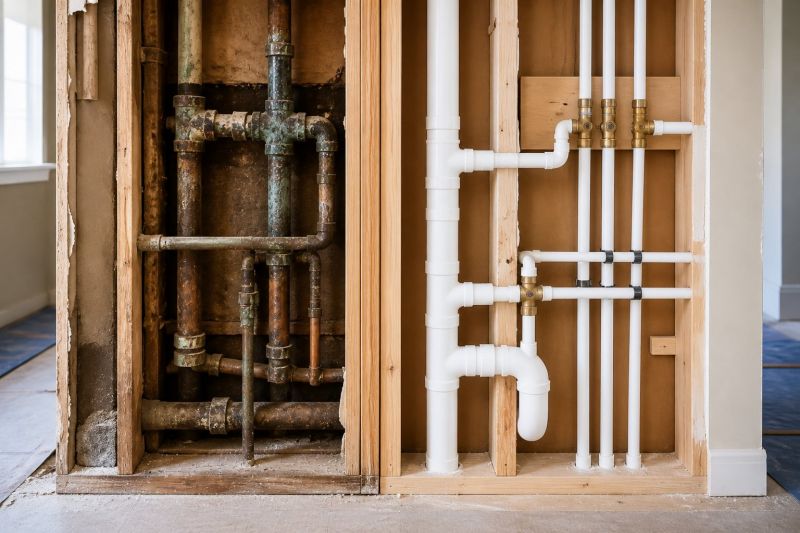
Upgrading outdated pipes can improve water quality, increase system efficiency, and reduce the risk of costly repairs.
Piping Replacement in Denver, CO

Piping replacement services involve removing and installing new pipes to ensure the plumbing system functions safely and efficiently. These projects typically address aging or damaged pipes, leaks, or outdated materials that no longer meet current standards. Property owners often request this service when experiencing frequent leaks, low water pressure, or signs of corrosion, as well as during major renovations or when upgrading plumbing systems to accommodate new fixtures or appliances.
Homeowners should understand which types of pipes are being replaced, the scope of the work involved, and any potential disruptions to daily routines. It’s also helpful to consider the condition of existing piping and whether the replacement will improve water flow, prevent future leaks, or meet specific building codes. Clarifying these details beforehand can assist property owners in making informed decisions about their plumbing upgrades.
Many property owners in Denver, CO look into Piping Replacement for repairs, replacements, upgrades, and appearance-related improvements.
Common Piping Replacement Jobs
Residential piping replacement - upgrades aging or damaged pipes to improve plumbing reliability.
Whole-house pipe replacement - replaces all plumbing lines to prevent leaks and ensure consistent water flow.
Pipe rerouting services - adjusts pipe pathways to accommodate renovations or new fixtures.
Water line replacement - upgrades main water lines to enhance water quality and pressure.
Leak repair and pipe replacement - addresses persistent leaks by replacing compromised piping.
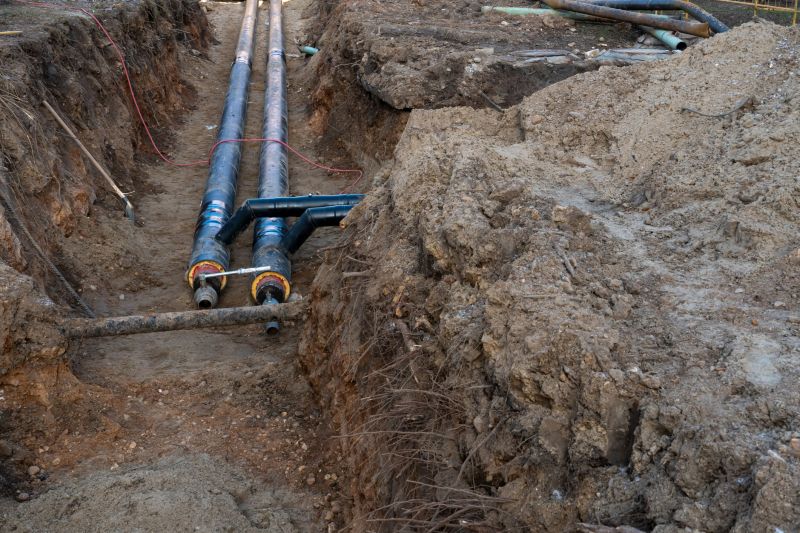
Outdoor piping replacement - replaces underground or exterior pipes to prevent future damage and leaks.
Piping Replacement Questions
What signs indicate piping may need replacement? Signs include frequent leaks, low water pressure, rust-colored water, or noticeable corrosion on pipes.
What types of pipes are commonly replaced? Commonly replaced pipes include galvanized steel, cast iron, and aging copper plumbing.
Why is piping replacement important? Replacing old or damaged pipes helps prevent water damage, improves water quality, and ensures reliable plumbing performance.
What projects typically involve piping replacement? Projects often involve upgrading residential plumbing systems, replacing pipes in aging buildings, or fixing leaks in commercial properties.
Request Piping Replacement in Denver, CO
Use the quote form on this page to share the basics of your project and request more information for the type of work you need.